
When economic uncertainty dominates the headlines and stock markets swing wildly, financial advisors and individual investors alike seek a safe harbor. If you are wondering why invest in gold, the answer lies in its millennia-long track record of preserving wealth. Unlike paper currencies that can be printed endlessly, gold possesses intrinsic value and limited supply. It serves as a financial anchor, protecting your purchasing power from the corrosive effects of inflation and currency devaluation. This comprehensive guide will explore the undeniable benefits of gold ownership, outline the various ways you can purchase it, and provide actionable strategies to integrate this timeless asset into your broader financial plan.
This article explores the fundamental reasons behind gold’s enduring appeal as an investment. You will learn how gold acts as a hedge against inflation and economic instability, compare physical gold with digital alternatives like ETFs, and discover expert strategies for safe allocation. We also cover common pitfalls, tax implications, and frequently asked questions to help you make informed investment decisions.
Why Invest in Gold: The Historical Context
To truly understand the value of precious metals, you must look backward. Throughout human history, empires have risen and fallen, and countless fiat currencies have collapsed into worthlessness. Through all of these catastrophic shifts, gold has remained a universally recognized store of value.
A Millennia-Old Store of Value
Ancient civilizations, from the Egyptians to the Romans, revered gold for its beauty, malleability, and resistance to tarnish. Because it does not corrode or rust, the gold mined thousands of years ago still exists today. This physical permanence translates directly into financial permanence. When you hold a gold coin, you hold an asset that has never dropped to zero. It has survived world wars, depressions, and hyperinflation.
The Transition Away from the Gold Standard
For much of modern history, paper money was directly tied to a specific amount of gold. This system, known as the gold standard, restricted governments from printing money recklessly. However, when countries abandoned the gold standard to finance deficits and stimulate growth, fiat currencies lost their physical anchor. The U.S. dollar, for instance, has lost over 85% of its purchasing power since the decoupling in 1971. During that exact same period, the price of gold skyrocketed from $35 an ounce to thousands of dollars per ounce. This historical divergence highlights the exact reason investors turn to physical assets to preserve their capital over decades.
Core Benefits of Adding Gold to Your Portfolio

The modern financial landscape is incredibly complex, filled with derivatives, cryptocurrencies, and algorithmic trading. Amidst this complexity, the reasons to hold a tangible asset become increasingly clear.
The Ultimate Hedge Against Inflation
Inflation acts as a silent tax on your savings. As the cost of goods and services rises, the money sitting in your bank account buys less. Gold traditionally moves in the opposite direction of the purchasing power of fiat currency. When the money supply expands and inflation spikes, the nominal price of gold typically rises to reflect that loss in currency value. According to data from the World Gold Council, gold has consistently outpaced the rate of inflation over the long term, making it an essential tool for investors seeking to maintain their standard of living during periods of aggressive monetary expansion.
A Geopolitical Safe Haven
Geopolitical tensions—whether they involve trade wars, global pandemics, or international conflicts—create massive uncertainty in the stock market. During these crises, investors predictably flock to safety. Gold is the ultimate “crisis commodity.” Because it is not tied to any single government or corporation, it carries no counterparty risk. If a bank fails or a company goes bankrupt, their stocks and bonds become worthless. Physical gold, however, relies on no one else’s promise to pay. It exists independently of the financial system, providing a secure sanctuary when global stability fractures.
Achieving Portfolio Diversification
A well-balanced investment strategy requires assets that do not move in tandem. This concept, central to modern portfolio theory, is where gold truly shines. Historically, gold has shown a low or negative correlation with traditional asset classes like stocks and bonds. During the 2008 financial crisis, when global equities lost a massive percentage of their value, gold prices surged. By integrating proper portfolio diversification strategies, you can lower the overall volatility of your investments. When your equities take a hit, a strategic allocation of gold helps cushion the blow, smoothing out your returns over the long haul.
Comparing Ways to Buy Gold
Once you decide to enter the gold market, you must choose the vehicle that best aligns with your financial goals, risk tolerance, and storage capabilities.
Physical Gold: Coins and Bars
Purchasing physical metal gives you direct ownership of a tangible asset. You can buy coins minted by sovereign governments, such as the American Gold Eagle, the South African Krugerrand, or the Canadian Maple Leaf. Alternatively, you can purchase bars of various weights. Owning gold bullion requires you to arrange for secure storage, either in a home safe or a third-party depository, and you must consider insurance costs. However, physical ownership eliminates counterparty risk entirely.
Gold ETFs and Mutual Funds
If you want exposure to gold prices without the hassle of physical storage, Exchange-Traded Funds (ETFs) offer a highly liquid alternative. A gold ETF tracks the spot price of gold and trades on major stock exchanges just like an ordinary stock. You can buy and sell shares instantly through your brokerage account. While ETFs provide excellent liquidity and convenience, you do not own the underlying metal—you own a paper claim to it. You also pay ongoing management fees, which can slowly eat into your returns over time.
Gold Mining Stocks
Another indirect way to invest is by purchasing shares in companies that mine and refine gold. When the price of gold rises, the profit margins of these mining companies typically expand, often leading to outsized stock performance. However, mining stocks carry significant operational risks. A mining company can suffer from poor management, geopolitical issues in the country where they operate, or labor strikes. Therefore, buying mining stocks is an investment in a business, not just the metal itself.
Precious Metals IRAs
For U.S. investors looking to combine the tax advantages of a retirement account with the security of physical gold, a self-directed precious metals IRA offers an excellent solution. These specialized accounts allow you to hold IRS-approved physical gold coins and bars within a tax-deferred or tax-free environment. You must use an approved custodian and a secure depository, ensuring your retirement savings comply with federal regulations while remaining protected from stock market volatility.
Investment Comparison Table
|
Investment Type |
Liquidity |
Storage Required |
Counterparty Risk |
Best For |
|---|---|---|---|---|
|
Physical Bullion |
Moderate |
Yes |
None |
Long-term wealth preservation and crisis protection. |
|
Gold ETFs |
High |
No |
Moderate |
Short-term trading and highly liquid portfolio allocation. |
|
Mining Stocks |
High |
No |
High |
Investors seeking leveraged gains and dividend potential. |
|
Gold IRAs |
Low |
Handled by Custodian |
Low |
Tax-advantaged long-term retirement savings. |
Understanding Gold Market Dynamics
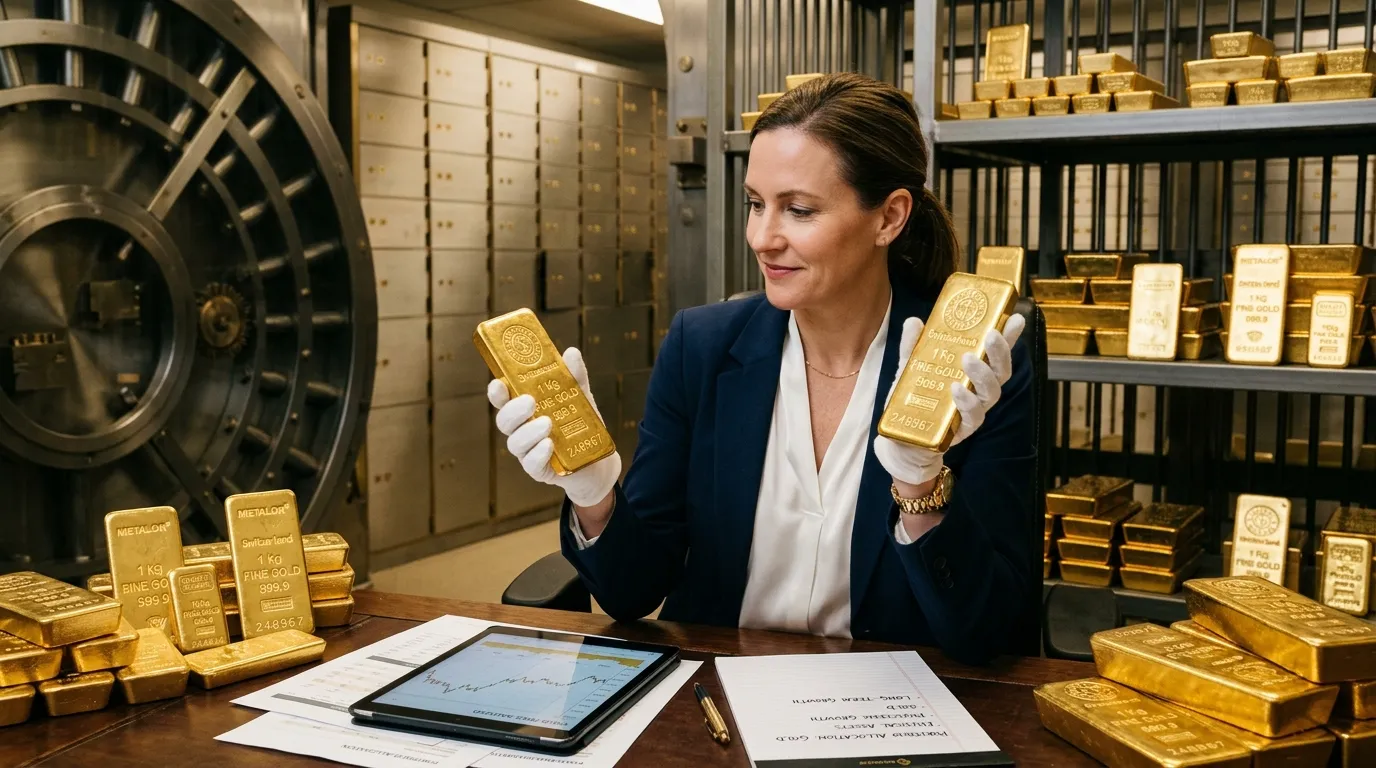
To maximize your investment, you must grasp the fundamental forces that drive the price of gold on the global stage.
Supply Constraints and Mining Realities
Gold is incredibly rare. The U.S. Geological Survey estimates that all the gold ever mined in human history would fit into a cube measuring just 22 meters on each side. Furthermore, discovering new gold deposits and bringing a mine into production takes decades and billions of dollars. This natural supply constraint means the market cannot suddenly be flooded with new gold. As industrial demand and investor appetite grow, this limited supply naturally exerts upward pressure on prices over the long term.
Global Demand and Central Bank Accumulation
Demand for gold comes from four primary sectors: jewelry, technology, investment, and central banks. In recent years, central banks across the globe, particularly in emerging markets, have accelerated their gold purchases. By replacing foreign fiat currencies with physical gold in their reserves, these sovereign nations actively protect their economies against currency fluctuations and geopolitical sanctions. When the largest financial institutions in the world are accumulating gold at record rates, individual investors should pay close attention to the trend.
Common Mistakes to Avoid When Buying Gold
Many new investors make avoidable errors that compromise their returns. Protect your capital by steering clear of these common pitfalls.
- Overpaying for Numismatic Coins: Rare or collectible coins carry high premiums based on their historical significance or scarcity, not their gold content. Unless you are a dedicated coin collector, stick to standard bullion coins or bars where the price closely tracks the spot price of gold.
- Ignoring Storage and Insurance Costs: If you buy physical metal, you must factor in the cost of a high-quality safe or a secure deposit box. Failing to insure your physical gold leaves you vulnerable to theft or loss.
- Falling for High-Pressure Sales Tactics: Scam artists often use aggressive tactics to sell overpriced coins or fake digital gold certificates. Always buy from reputable, highly reviewed dealers and avoid sellers who promise guaranteed overnight returns.
- Allocating Too Much Capital: Gold should act as a stabilizing force, not your entire portfolio. Over-allocating to gold can hinder your overall growth, as gold does not produce compound interest or dividends like equities do.
- Trying to Time the Market: Attempting to buy at the absolute bottom and sell at the exact peak is a losing game. Treat gold as a long-term insurance policy rather than a short-term speculative trade.
Pro Tips and Expert Insights
Maximize the effectiveness of your precious metals strategy by implementing these expert-level tactics.
- Practice Dollar-Cost Averaging: Instead of buying a massive amount of gold all at once, purchase smaller, fixed amounts at regular intervals. This strategy, known as dollar-cost averaging, smooths out market volatility and ensures you do not invest all your capital at a market peak.
- Monitor Real Interest Rates: Gold pays no yield. Therefore, it performs best when “real” interest rates (the interest rate minus the rate of inflation) are negative or very low. When cash in the bank loses value to inflation, gold becomes a highly attractive alternative.
- Keep Your Allocation Balanced: Most financial planners recommend keeping your gold allocation between 5% and 10% of your total investment portfolio. This provides enough weight to protect you during a crash without significantly dragging down your growth during a booming bull market.
- Verify Dealer Credentials: Always check a dealer’s rating with the Better Business Bureau and industry watchdogs. Ensure they offer transparent buy-back policies so you have a clear exit strategy when you eventually decide to sell.
The Tax Implications of Gold Investments
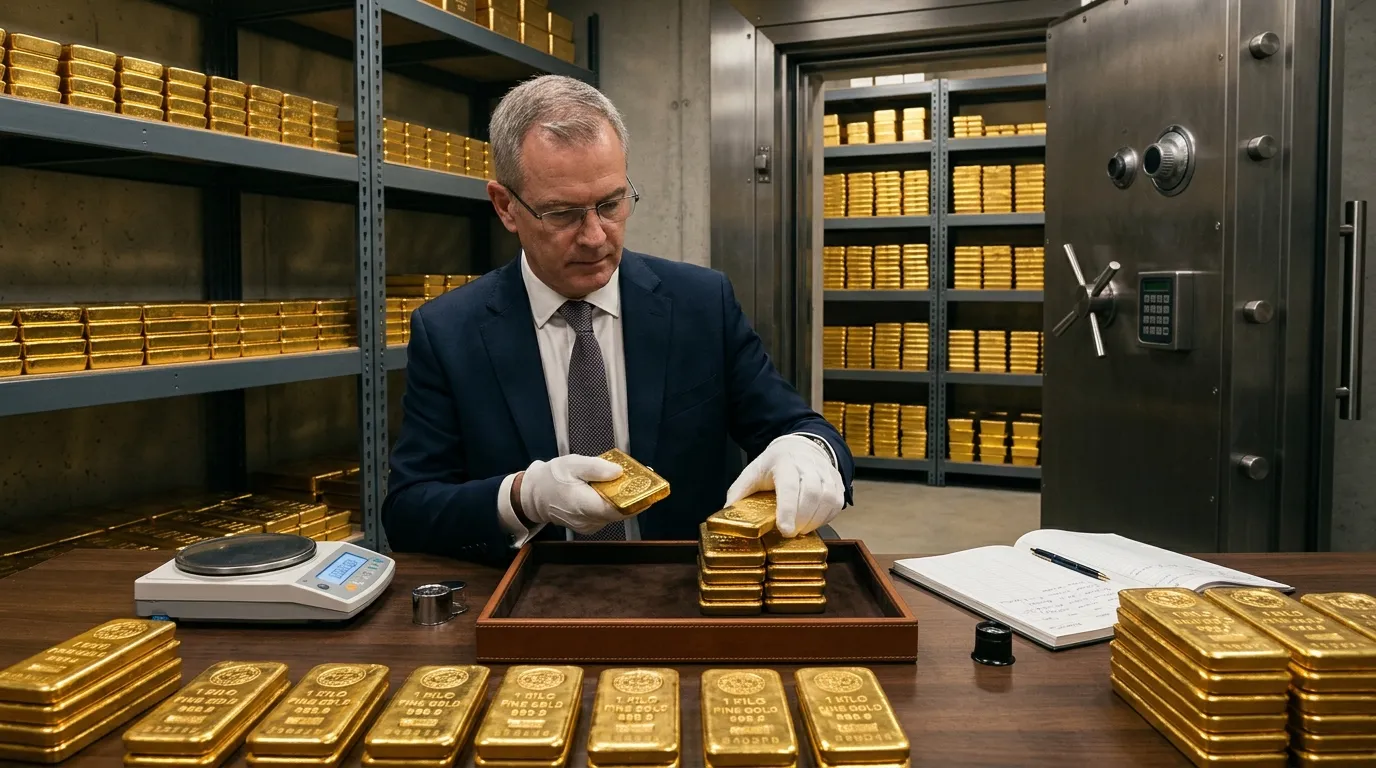
You must understand how governments tax gold to calculate your actual returns accurately. In the United States, the IRS classifies physical gold and ETFs backed by physical gold as “collectibles.”
This classification means that if you hold the gold for more than a year and sell it at a profit, your capital gains are taxed at a maximum rate of 28%, which is significantly higher than the standard long-term capital gains rate applied to stocks. However, if you hold the gold for less than a year, your gains are taxed as ordinary income.
To mitigate these tax burdens, many investors utilize self-directed IRAs or explore specific sovereign coins that carry different tax treatments in their local jurisdictions. Always consult with a certified tax professional to structure your investments in the most tax-efficient manner possible.
Conclusion
Understanding why invest in gold is the first step toward building a truly resilient financial foundation. By acting as a proven hedge against inflation, providing a safe haven during geopolitical crises, and offering unparalleled portfolio diversification, gold remains an indispensable asset for serious investors. Whether you choose physical bullion, highly liquid ETFs, or a tax-advantaged retirement account, allocating a strategic portion of your wealth to this timeless metal ensures you are prepared for whatever economic uncertainties the future holds. Take action today by evaluating your current portfolio, researching reputable dealers, and making gold a permanent pillar of your wealth protection strategy.
Frequently Asked Questions
1. Is gold a good investment during a recession?
Yes, gold traditionally performs exceptionally well during economic recessions. When stock markets decline and central banks lower interest rates to stimulate the economy, investors flock to gold as a safe haven, which typically drives its price higher.
2. How much of my portfolio should consist of gold?
Most financial experts recommend allocating between 5% and 10% of your total investment portfolio to gold. This percentage is large enough to provide meaningful protection during market downturns but small enough to allow your equities and bonds to drive long-term growth.
3. What is the difference between gold bars and gold coins?
Gold coins are minted by sovereign governments, carry a face value, and feature intricate designs, making them highly recognizable and easy to sell. Gold bars are produced by private mints and generally carry lower premiums over the spot price, making them a more cost-effective way to buy large quantities of raw metal.
4. Can I hold physical gold in my 401(k)?
Standard 401(k) plans do not allow you to hold physical gold. However, you can roll over funds from an existing 401(k) into a self-directed Precious Metals IRA, which legally permits you to hold IRS-approved physical gold coins and bars.
5. Does gold produce passive income?
No, physical gold does not pay interest, dividends, or yields. Its return is based entirely on price appreciation. If you want passive income from the gold sector, you might consider investing in dividend-paying gold mining stocks or specialized mutual funds.
6. Why do gold prices fluctuate daily?
Gold prices fluctuate based on global supply and demand dynamics, changes in currency values (especially the U.S. dollar), inflation expectations, geopolitical events, and shifts in central bank monetary policies.
7. Is it better to buy physical gold or a gold ETF?
It depends on your goals. Physical gold is best for long-term wealth preservation and protection against systemic financial collapse. Gold ETFs are better suited for investors who want high liquidity, low transaction costs, and short-term price exposure without the burden of storage.
8. Do I have to pay taxes when I sell my gold?
Yes. In the United States, physical gold is classified as a collectible. Long-term capital gains on collectibles are taxed at a maximum rate of 28%. Short-term gains are taxed at your ordinary income tax rate.
9. What happens if my physical gold is stolen?
If you store physical gold at home, you must ensure your homeowner’s insurance policy covers precious metals, which often requires a separate rider. If you use a reputable third-party depository, your metal is fully insured against theft, loss, and natural disasters.
10. Will the world ever return to the gold standard?
It is highly unlikely that major global economies will return to a strict gold standard. Tying a currency directly to gold severely limits a central bank’s ability to respond to economic crises through monetary policy, such as adjusting interest rates or expanding the money supply.