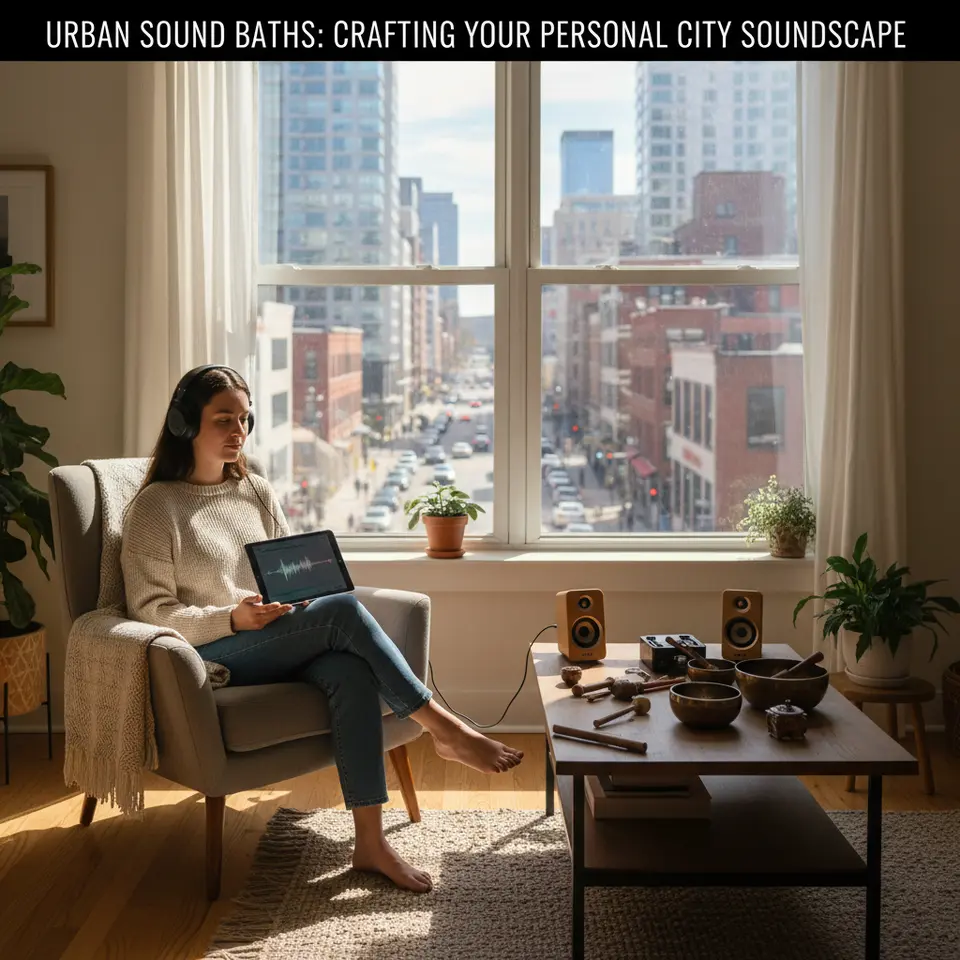
In today’s bustling metropolitan environments, finding a moment of calm can seem almost impossible. Yet, an increasingly popular practice called the urban sound bath invites city dwellers to harness the vibrant acoustics of their surroundings and turn them into a source of relaxation and reflection. Rather than retreating to remote forests or spending hours in yoga studios, this approach encourages participants to embrace everyday noises—from the hum of traffic and distant chatter to the soft patter of rain—and weave them into a soothing auditory journey. As mindfulness techniques continue to gain scientific backing, an urban sound bath offers a fresh way to practice presence and well-being in today’s digital landscape.
This year (2026), more people are experimenting with personalized soundscapes that reflect the unique character of their neighborhoods. By combining field recordings with carefully chosen musical tones, you can craft a therapeutic experience that grounds you in the present moment, reduces stress, and even sparks creative insights. Whether you live in a high-rise apartment, a historic district filled with cobblestones, or a busy commercial zone, the principles behind an urban sound bath remain the same: listen intently, curate thoughtfully, and allow the city’s rhythm to guide you towards inner peace.
What Is an Urban Sound Bath?
An urban sound bath is an audio practice that transforms ambient city noise into a meditative performance. Instead of relying solely on crystal bowls, gongs, or singing bowls, practitioners record everyday sounds—honking horns, footsteps on concrete, snippets of conversation, rooftop wind gusts—and blend them with melodic or synthesized elements. The result is a layered session designed to engage the senses, promote mindfulness, and foster deep relaxation.
While traditional sound baths date back centuries and often draw on Eastern healing techniques, the urban sound bath adapts these principles for modern life. Listeners are invited to reframe what might otherwise be perceived as distracting or chaotic into an intentional sonic composition. By focusing attention on subtleties—like the shift in engine pitch as a bus passes or the gentle thrum of a distant HVAC system—you cultivate a heightened awareness that anchors you in the moment.
Researchers at the National Institutes of Health note that mindful listening can lower cortisol levels and improve emotional regulation (NIH.gov). In an urban sound bath, this therapeutic benefit is amplified by the sheer diversity of sounds found in cityscapes. Instead of seeking to escape urban life, you learn to embrace its textures, rhythms, and sonic surprises as pathways to calm.
Benefits of Urban Sound Baths
Integrating an urban sound bath into your routine offers a wealth of advantages, supported by both scientific studies and anecdotal experience. In today’s fast-paced world, these sessions can become vital tools for mental health, creativity, and daily balance.
Enhanced Mindfulness and Stress Reduction
Focusing on complex soundscapes trains your brain to remain present. A study by Harvard University’s Mind/Body Medical Institute demonstrates that mindful audio attention can significantly reduce stress markers and improve concentration (Harvard.edu).
Deeper Relaxation
The interplay of ambient urban recordings with low-frequency drones and gentle tones encourages the nervous system to shift from fight-or-flight to a restorative state. Many users report lower anxiety, reduced muscle tension, and improved sleep patterns after regular practice.
Creative Stimulation
Blending unexpected sound elements—like a distant siren with a soft piano loop—can ignite novel neural pathways. Artists and writers often employ urban sound baths to overcome creative blocks and access fresh perspectives.
Accessibility and Affordability
You don’t need high-end instruments or an expensive studio. Many practitioners start with a smartphone, a pair of reliable headphones, and free audio editing software, making this practice accessible for almost anyone interested in exploring the sonic value of their surroundings.
Gathering the Right Tools and Software
To facilitate your urban sound bath, assembling the proper equipment and selecting intuitive software are critical steps. While advanced setups can provide more control, beginners can start with basic gear without sacrificing quality.
Recording Devices
- Field Recorder or Smartphone: Modern smartphones capture high-fidelity WAV or MP3 files. For enhanced clarity, consider a portable recorder like Zoom H4n or Tascam models.
- External Microphones: Lavalier or shotgun mics help isolate specific sounds (e.g., footsteps on cobblestones or rooftop breezes).
Playback Equipment
- Headphones: Choose over-ear, noise-isolating headphones to catch low-frequency nuances.
- Speakers: If using monitors, ensure they have a flat frequency response for balanced sound.
Editing and Mixing Software
- Free Options: Audacity is a solid starting point for basic trimming, layering, and effects.
- Professional DAWs: Ableton Live, Logic Pro, or Reaper provide advanced features like automation, sidechain compression, and sophisticated EQ.
Optional Instruments and Tools
Enhance your mix with singing bowls, rain sticks, digital synths, or even a simple keyboard. These elements add melodic or harmonic depth, complementing the texture of field recordings.
Field Recording Essentials for City Soundscapes
Capturing the right urban ambience requires planning, patience, and curiosity. The quality of your session ultimately hinges on the richness and variety of your source materials.
Selecting Locations
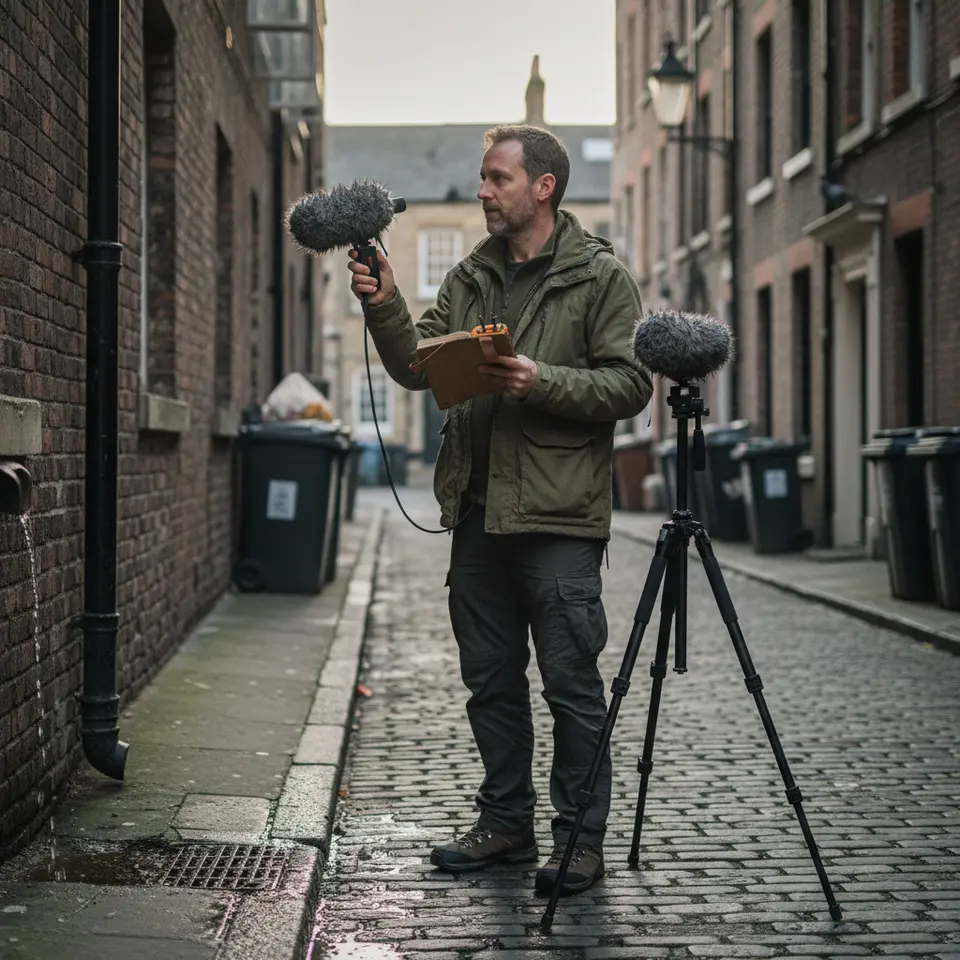
- Quiet Alleys and Courtyards: These spots often yield subtle sounds—dripping water, distant footsteps, or gentle birdcalls.
- Busy Intersections and Plazas: Record the steady flow of vehicles, crosswalk signals, and ambient chatter to capture the city’s pulse.
- Elevated Vantage Points: Rooftops and bridges provide panoramic soundscapes where wind, traffic, and urban wildlife converge.
Timing and Variability
Record at different times of day to harness contrasting moods—dawn traffic hums, midday crowds, or late-night stillness broken by distant sirens. Variety deepens the immersive quality of your final mix.
Technical Best Practices
- Steady Levels: Monitor input gain to avoid clipping or distortion.
- Metadata and Notes: Label each file with location, time, and weather conditions to streamline editing later.
- Steady Handling: Use a tripod, grip, or stabilizer to minimize handling noise.
Crafting Your Urban Soundscape: Editing and Layering
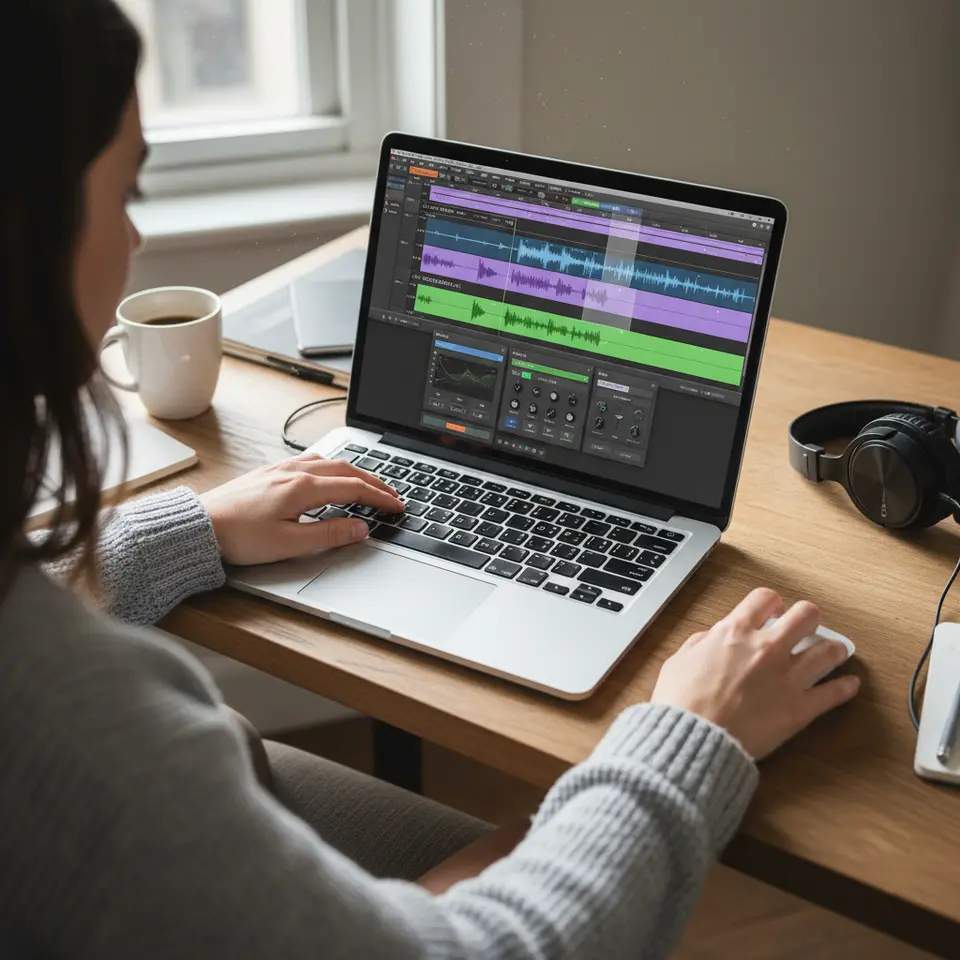
Once you’ve gathered diverse recordings, your digital audio workstation becomes a canvas for weaving them into a cohesive urban sound bath. The editing stage is where intention and creativity meet.
Trimming and Cleaning
Start by removing unwanted silence or extraneous noise. Normalize volumes across tracks to ensure consistent levels, then apply noise reduction sparingly to preserve natural character.
Layering Techniques
- Stacking Textures: Combine low-frequency hums (e.g., distant traffic) with mid-range field recordings (café bustle) and high-frequency accents (birdsong or wind chimes).
- Dynamic Contrast: Introduce richer tones or percussive elements at key moments to guide listeners through peaks and valleys.
Applying Effects
- Reverb and Delay: Create spatial depth by placing certain tracks “farther away.”
- EQ and Filters: Use gentle EQ sweeps to carve out space for each layer, preventing frequency clashes.
- Crossfades: Smooth transitions between scenes or movements, avoiding jarring edits.
Structuring the Session
A typical urban sound bath session follows a four-phase arc: a gentle introduction, a gradual build of layers, a peak of immersive texture, and a resolution where elements are stripped back to minimal ambience. Consider adding brief silences or guided breathing cues for reflection.
FAQ
- What equipment do I need to start an urban sound bath? At minimum, a smartphone with a quality microphone, a pair of noise-isolating headphones, and free editing software like Audacity. As you progress, you can add external recorders, specialized mics, and advanced DAWs for finer control.
- How long should a typical session last? Sessions usually range from 20 to 45 minutes, depending on your schedule and focus. Beginners may start with shorter practices (10–15 minutes) and gradually increase duration as they become more comfortable.
- Can I perform an urban sound bath anywhere? Yes. One of the key benefits is accessibility—you can record sounds in alleys, rooftops, intersections, or your own apartment. The important factor is variety and clarity of recordings.
- Are urban sound baths safe and effective for stress relief? Absolutely. Research shows that mindful listening lowers cortisol levels and improves emotional regulation. Urban sound baths repurpose city noise into therapeutic soundscapes, making them both safe and beneficial for most individuals.
Conclusion
Urban sound baths offer a unique pathway to mindfulness by transforming daily city noise into a therapeutic tool. In today’s high-speed digital age, these bespoke soundscapes can ground you, fuel creativity, and reduce stress—all without leaving your neighborhood. By recording, curating, and layering ambient urban sounds alongside melodic elements, you craft a sonic sanctuary that reflects the heartbeat of your city and the rhythm of your mind. Embrace this year (2026) as an opportunity to design personal auditory experiences that honor the complexity and beauty of urban life. Whether you’re new to sound-based meditation or seeking to enrich your existing routine, the urban sound bath awaits as a versatile, accessible, and deeply rewarding practice right at your doorstep.