People often wonder why gold is expensive compared to other materials found on Earth. The answer goes far beyond its shiny appearance. Understanding why gold is expensive requires a deep dive into global economics, human psychology, and natural scarcity. If you want to build wealth or protect your assets, knowing why gold is expensive gives you a significant advantage in the financial markets.
This comprehensive guide breaks down exactly why gold is expensive, exploring its historical significance, mining difficulties, and role as an economic stabilizer. You will learn how central banks, inflation, and physical scarcity drive prices upward, helping you make smarter, more informed decisions about your financial future and asset protection strategies.
The Historical Foundation of Gold’s Value
To truly grasp why gold is expensive today, we must look backward. The question of why is gold valuable in history stems from its unique physical properties. Gold does not rust, tarnish, or degrade over time. When civilizations sought a reliable medium of exchange, gold naturally became the standard.
Ancient Civilizations and Precious Metals
When considering why was gold valuable in ancient times, the answer lies in its rarity and workability. Ancient Egyptians and Romans prized the metal because craftsmen could easily mold it into jewelry and currency without complex machinery. This enduring appeal explains why gold is expensive even thousands of years later. It represented power, divinity, and eternal wealth.
Core Drivers: 10 reasons why gold is expensive
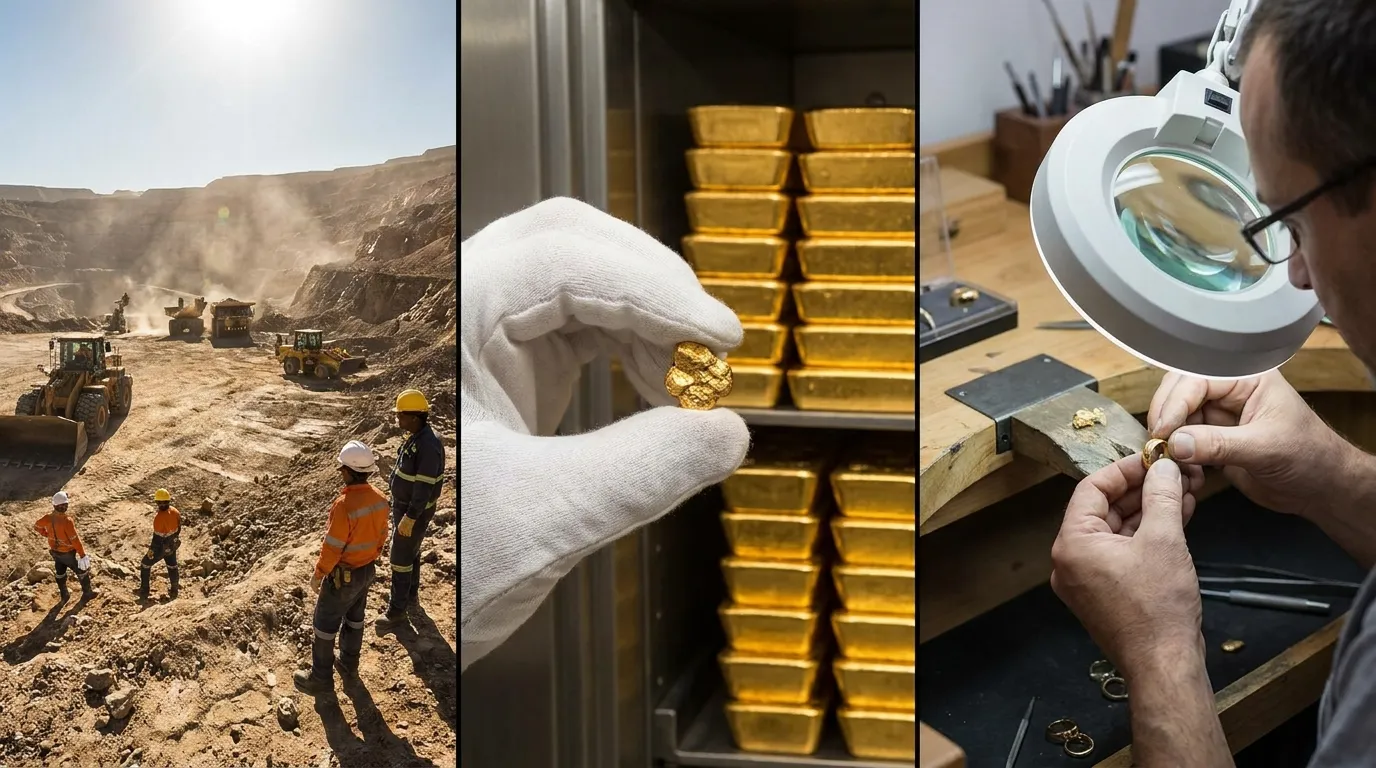
Many factors contribute to the high price of this metal. Here are 10 reasons why gold is expensive:
- Physical Scarcity: The Earth holds a limited supply of gold.
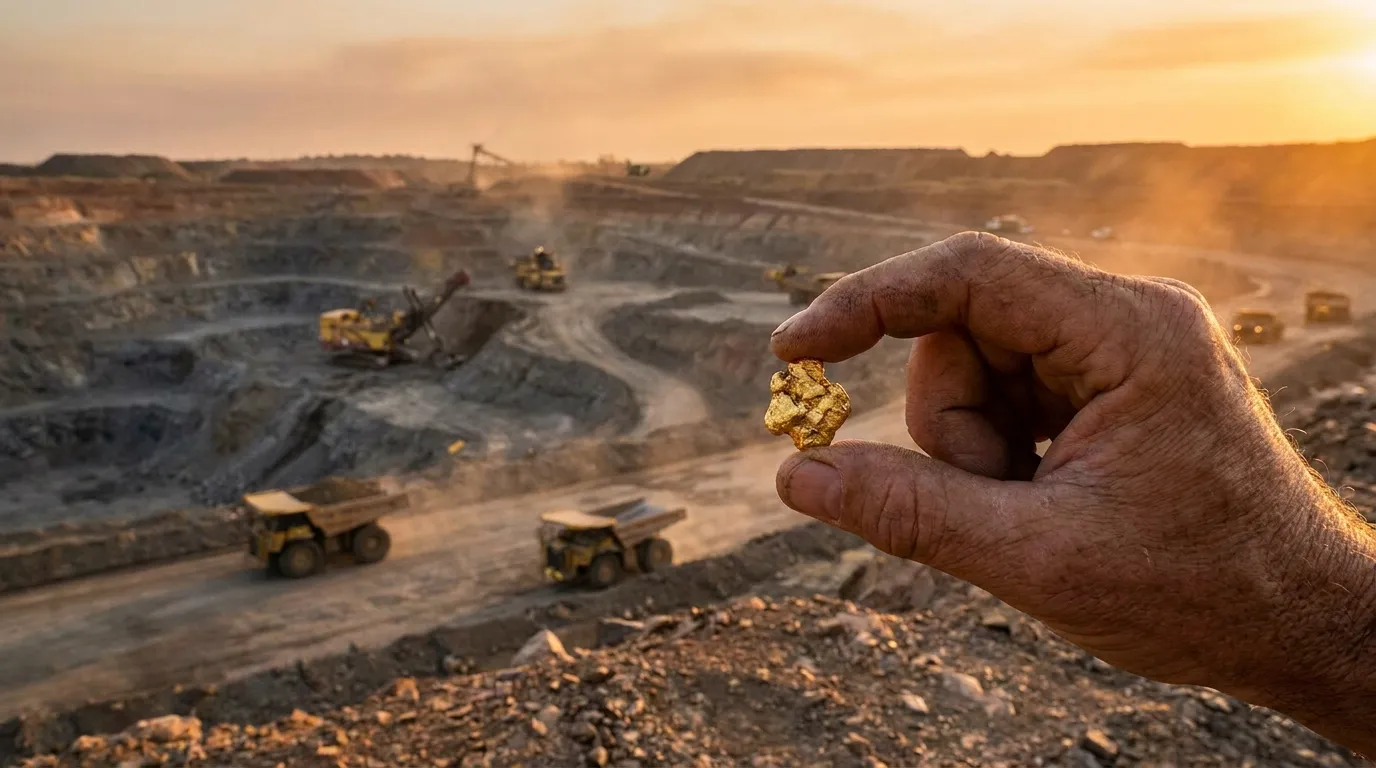
- High Extraction Costs: Mining requires massive machinery, labor, and energy.
- Inflation Hedging: Investors buy gold when paper money loses purchasing power.
- Central Bank Reserves: Nations hoard gold to stabilize their own economies.
- Jewelry Demand: Cultural traditions drive massive consumer demand globally.
- Technological Applications: Electronics and medical devices require pure gold.
- Safe Haven Asset: During wars or crises, people flee to gold.
- Unpredictable Supply Chain: Geopolitical tensions often disrupt mining operations.
- Lack of Yield Risk: Unlike stocks, physical gold cannot go bankrupt.
- Global Liquidity: You can sell gold anywhere in the world instantly.
These points clearly illustrate why gold is expensive and why it maintains its purchasing power across generations.
Examining the Core Benefits
Let us narrow down the fundamental value proposition. If you need 5 reasons why gold is valuable, focus on these core pillars: durability, divisibility, portability, uniformity, and limited supply. These five traits make it the perfect form of money. Unlike real estate, you can carry it. Unlike fiat currency, governments cannot print it. This intrinsic utility is exactly why gold is expensive.
Human Psychology and Gold
Have you ever wondered why is gold valuable to humans on a psychological level? Humans naturally gravitate toward rare, beautiful objects. The yellow luster of gold triggers a psychological response associated with prestige and success. This emotional connection ensures consistent demand, which is a primary reason why gold is expensive.
Silver vs. Gold: A Market Comparison
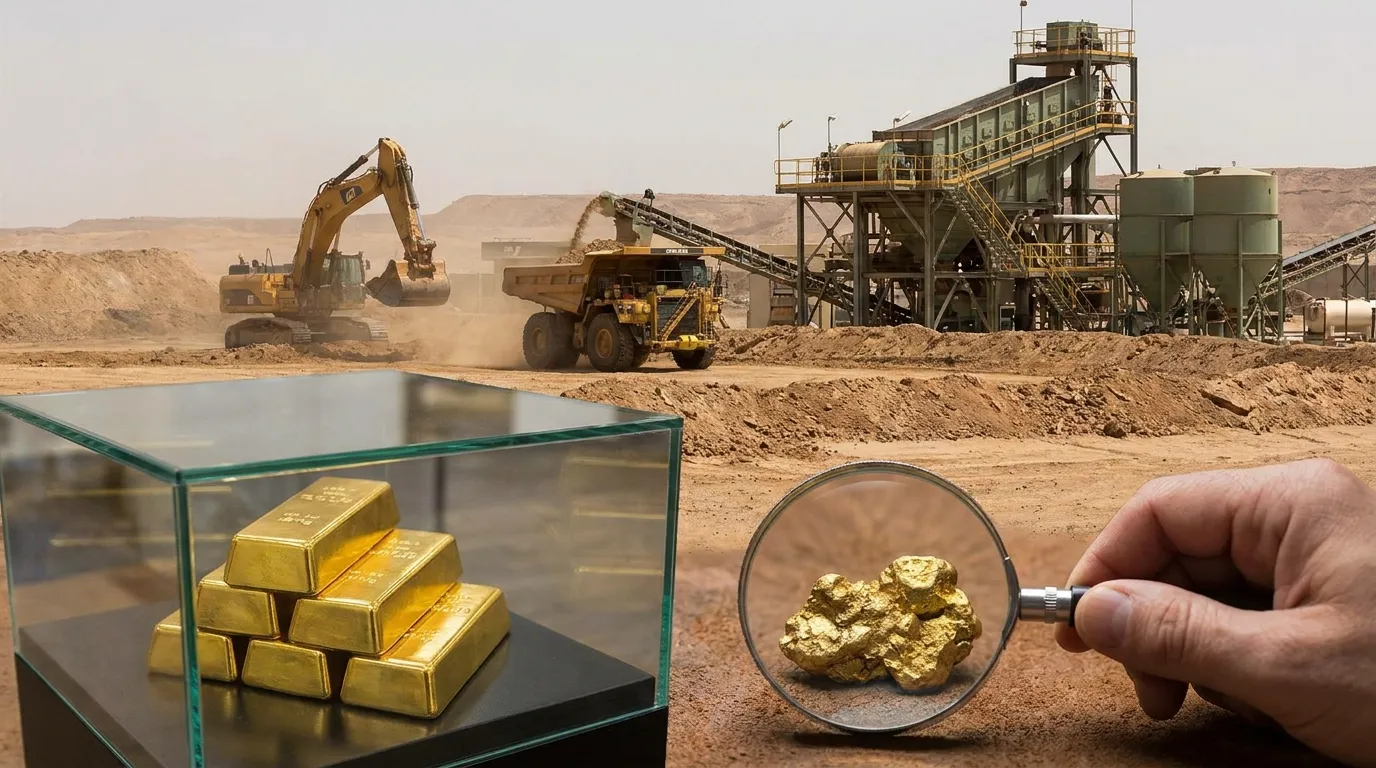
Investors frequently ask why gold is expensive than silver. The Earth’s crust contains significantly more silver than gold. Furthermore, silver experiences massive industrial consumption, meaning much of it gets used up and destroyed. Gold, however, gets hoarded. The cost to mine one ounce of gold far exceeds the cost to mine one ounce of silver. This discrepancy in mining costs and geological rarity dictates why gold is expensive relative to its white counterpart.
Asset Comparison Table
|
Feature |
Physical Gold |
Physical Silver |
Fiat Currency |
|---|---|---|---|
|
Scarcity |
Extremely High |
Moderate |
Infinite |
|
Inflation Protection |
Excellent |
Good |
Poor |
|
Industrial Use |
Low (~10%) |
High (~50%) |
None |
|
Historical Survival |
5,000+ Years |
5,000+ Years |
A few decades |
Macroeconomics and Central Banking
To understand the broader financial picture, we must ask: why is gold so important to the economy? Gold acts as a financial anchor. When national currencies experience hyperinflation, central banks use gold reserves to restore faith in their monetary systems. Because it carries no counterparty risk, governments trust it more than foreign paper money. This immense institutional demand is a major factor in why gold is expensive.
When you research market sentiment online, you might search for why gold is expensive reddit to see what everyday investors think. The consensus on financial forums often points to institutional manipulation, money printing, and a general distrust of government fiscal policy. Everyday investors recognize why gold is expensive: it represents financial independence from the banking system.
Expert Insights
Financial experts widely agree on why gold is expensive. Here are a few professional insights regarding wealth preservation:
- Diversification: Experts recommend keeping 5% to 10% of a portfolio in physical precious metals.
- Cost of Production: The “all-in sustaining cost” (AISC) for mining companies creates a price floor. If prices drop below mining costs, companies stop mining, reducing supply and driving prices back up. This is a fundamental reason why gold is expensive.
- Currency Devaluation: As long as central banks continue expanding the money supply, the nominal price of gold will trend upward.
You can learn more about economic principles by reading about inflation hedging strategies and portfolio diversification from authoritative financial institutions like the World Gold Council or the International Monetary Fund.
Common Mistakes to Avoid
When learning why gold is expensive, beginners often make crucial errors. Avoid these common pitfalls:
- Buying High Premiums: Never pay massive markups for standard bullion. Stick to recognized coins or bars.
- Confusing Paper with Physical: Buying a gold ETF is not the same as holding physical metal. Paper contracts carry counterparty risk.
- Ignoring Storage Security: If you buy physical assets, invest in a proper safe or a secure depository.
- Panic Selling: Gold is a long-term wealth preservation tool, not a get-rich-quick trading vehicle.
Understanding Market Dynamics
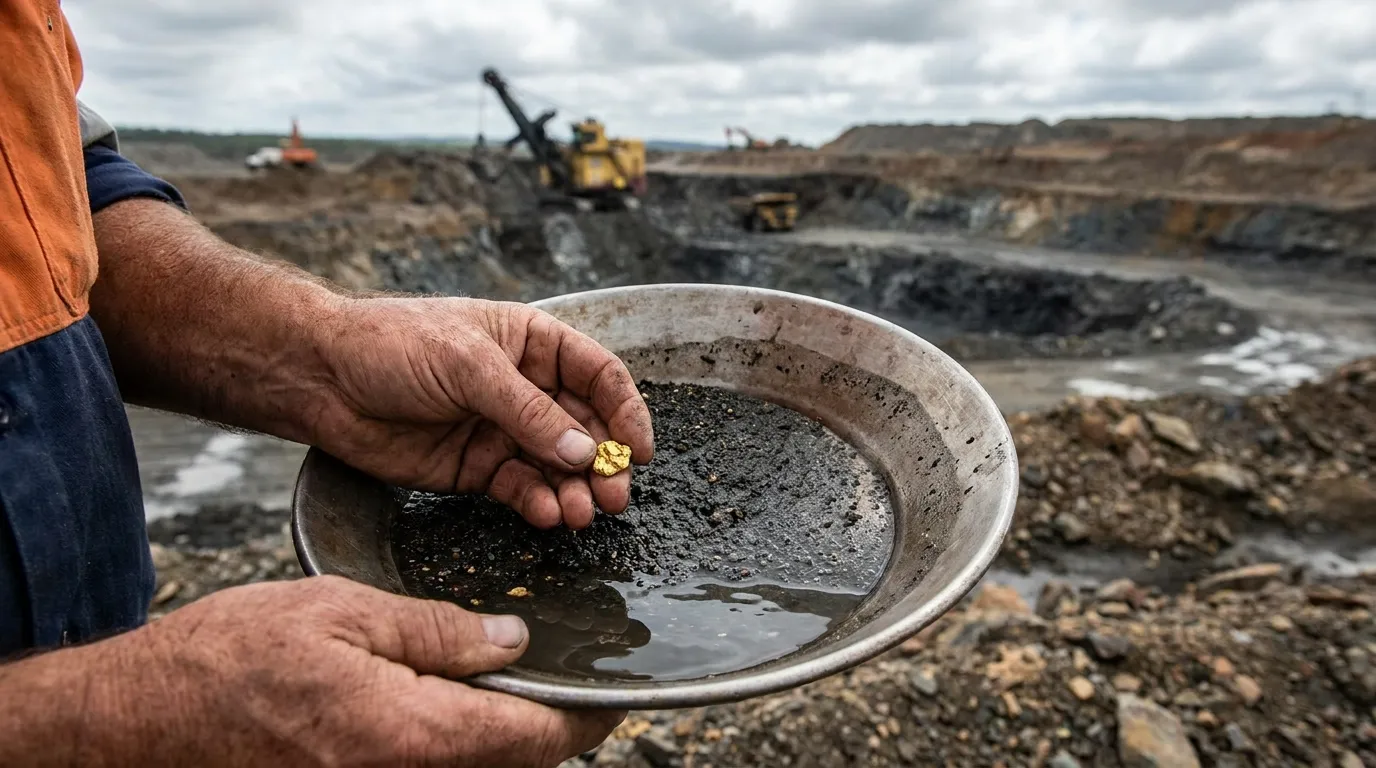
Why gold is expensive is a topic that touches every aspect of global finance. The metal acts as a barometer for economic health. When the economy is strong, gold might stabilize. When fear enters the market, gold surges. Because extracting it takes years of geological surveying, environmental permitting, and heavy labor, the supply simply cannot react quickly to sudden spikes in demand. This inelastic supply curve perfectly explains why gold is expensive during financial panics.
Investors seeking tangible asset protection understand that paper wealth can vanish overnight through market crashes or currency resets. Gold has survived every empire, every war, and every economic collapse in human history. That resilient track record is the ultimate answer to why gold is expensive.
Conclusion
Understanding why gold is expensive empowers you to make strategic financial choices. From its historical dominance as ancient currency to its modern role as an inflation hedge and central bank reserve asset, gold’s high price reflects its unmatched utility and extreme scarcity. Protect your purchasing power by incorporating this timeless asset into your broader financial strategy today. Take action now by researching reputable dealers and assessing your current portfolio allocation.
Frequently Asked Questions
1. Why gold is expensive compared to other metals?
Gold is expensive due to its extreme geological rarity, the high cost of extraction, and immense global demand from investors, central banks, and the jewelry industry.
2. Does the cost of mining affect why gold is expensive?
Yes. Mining requires heavy machinery, deep earth excavation, and extensive chemical processing. The massive overhead costs set a natural floor for the price of the metal.
3. Will gold lose its value in the future?
Historically, gold has never gone to zero. Its intrinsic physical properties and global acceptance ensure it will likely retain purchasing power for generations to come.
4. Why do central banks hold so much gold?
Central banks hold gold to diversify their reserves, protect against currency fluctuations, and provide a stable financial anchor during economic crises.
5. How does inflation impact the price of gold?
When governments print more paper money, the value of that currency drops. Consequently, it takes more paper dollars to buy the same ounce of gold, making the price rise.
6. Is gold used in modern technology?
Yes. Gold is a highly efficient, non-corrosive conductor of electricity. Manufacturers use small amounts of it in smartphones, computers, and specialized medical equipment.
7. Why is gold considered a safe haven asset?
Investors flock to gold during geopolitical conflicts or stock market crashes because it operates independently of any government or corporation, carrying no default risk.
8. Can physical gold be tracked by the government?
Unlike digital bank transactions, purchasing physical gold coins or bars privately offers a level of financial anonymity, though large cash transactions at dealers are often reported.
9. How do interest rates affect gold prices?
Generally, when interest rates rise, gold prices face downward pressure because gold pays no dividend. Conversely, low interest rates make gold more attractive to investors.
10. What is the best way to buy gold for beginners?
Beginners should focus on highly liquid physical products like one-ounce sovereign coins or standard bullion bars from reputable, established precious metals dealers.