Have you ever wondered exactly what is gold used for beyond shiny rings and coins? This remarkable metal powers everything from modern smartphones to life-saving medical treatments.
This comprehensive guide explores the diverse applications of gold across multiple industries. You will discover its vital roles in technology, aerospace, medicine, and wealth protection. By the end, you will understand exactly why this precious metal remains incredibly valuable.
The Historical Significance and Modern Value of Gold
Gold has captivated human beings for thousands of years. Ancient civilizations revered it for its natural beauty, malleability, and resistance to tarnish. Early societies used it to craft sacred artifacts, royal crowns, and the very first forms of physical currency.
Today, the value of this metal extends far beyond simple aesthetics. Because it does not corrode, conducts electricity beautifully, and reflects infrared light, it has become an irreplaceable material in modern engineering. While most people immediately think of gold bullion investments when discussing this metal, its industrial and technological applications are what keep demand consistently high.
To fully grasp its importance, we must look at how different sectors rely on its unique chemical properties to solve complex problems.
Wealth Protection and Financial Investments
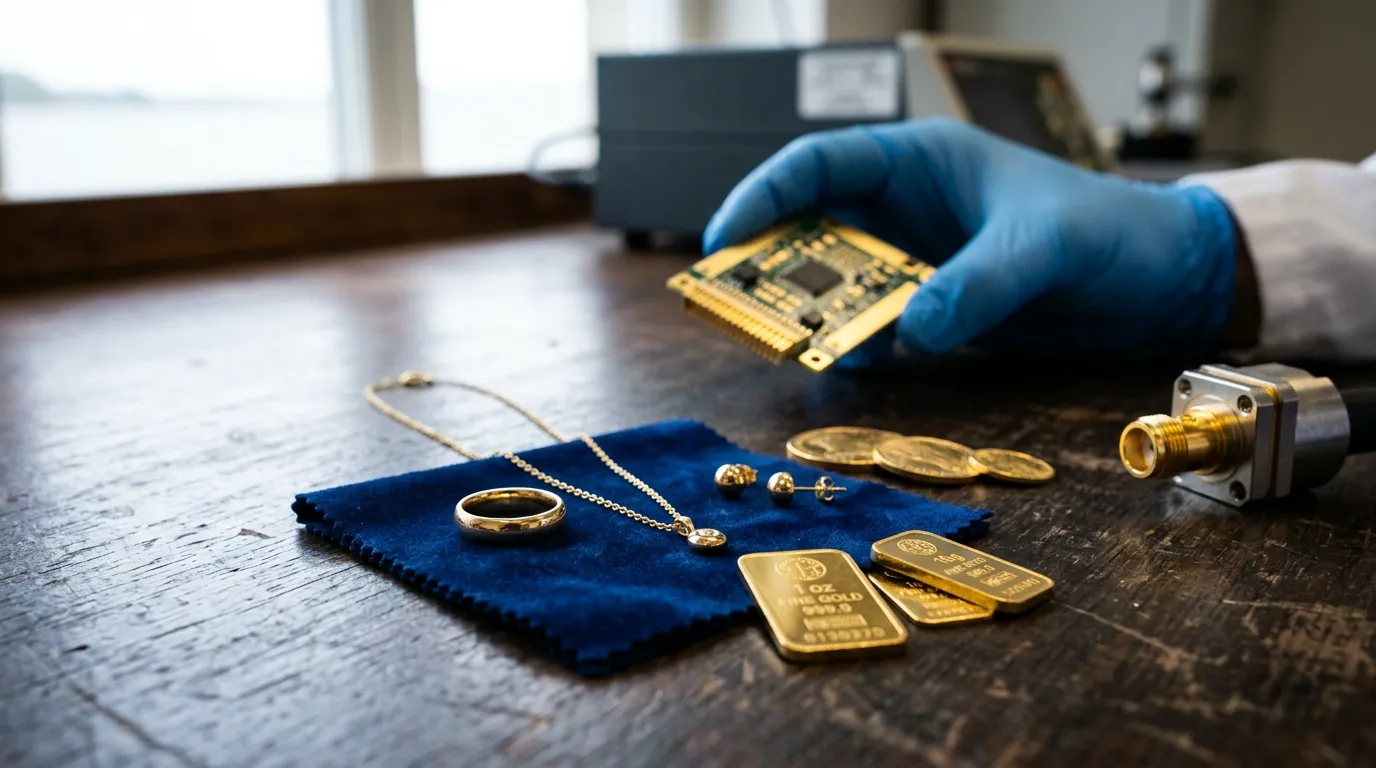
For centuries, people have used this precious metal as a reliable store of value. Unlike fiat paper currencies, which can lose purchasing power due to inflation, physical gold carries intrinsic value.
Investors consistently flock to gold during times of economic uncertainty. It acts as a financial safe haven. Central banks around the globe hold massive reserves of it to stabilize their national economies. If you want to protect your savings, adding physical bars and coins to your precious metals portfolio is a proven strategy.
Many financial advisors recommend keeping a portion of your wealth in tangible assets. Whether you prefer heavy cast bars or beautifully minted coins, buying physical gold provides a level of financial security that digital assets simply cannot match. You can physically hold it, store it privately, and pass it down through generations.
Jewelry and Personal Adornments
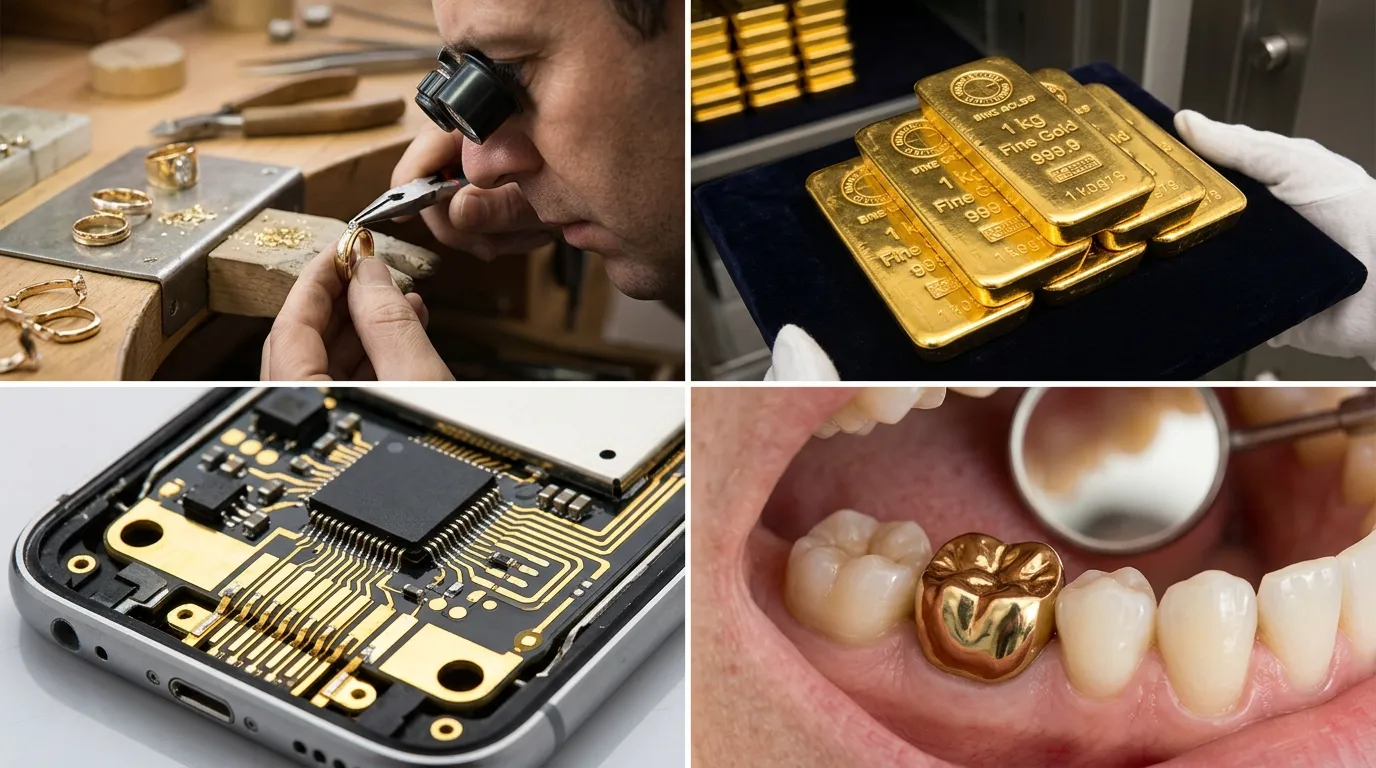
Jewelry manufacturing accounts for the largest single use of this metal worldwide. According to industry data, nearly 78% of all newly mined and recycled gold goes directly into the creation of personal adornments.
Jewelers love working with this material because it is incredibly soft and easy to shape. A skilled artisan can hammer a single ounce into a sheet so thin that light passes right through it. Because pure 24-karat gold is often too soft for daily wear, jewelers mix it with alloys like copper, silver, or palladium to increase its strength. This mixing process gives us beautiful variations like rose gold and white gold.
When you purchase high-quality jewelry, you are not just buying a fashion accessory. You are acquiring a wearable asset that retains significant financial value over time.
High-Performance Electronics and Technology
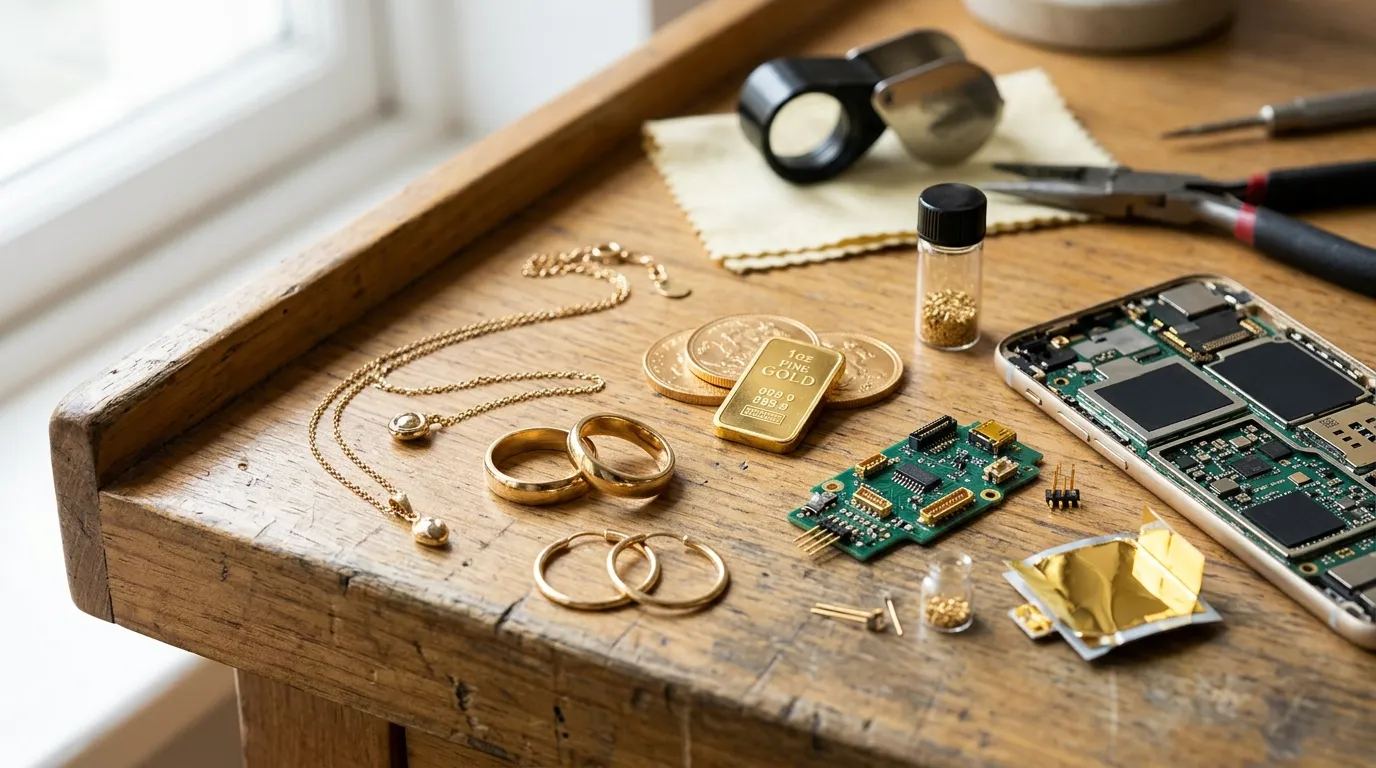
Look at the smartphone in your hand or the computer on your desk. You are looking at a device that relies on precious metals to function. The electronics industry is a massive consumer of this highly conductive material.
Modern electronics use very low voltages and electrical currents. If internal components corrode or rust, the device will fail instantly. Because this metal is completely inert and highly resistant to corrosion, manufacturers use it for relay contacts, soldered joints, and connecting wires.
You will find trace amounts in:
- Smartphones and tablets
- Desktop computers and laptops
- Global Positioning System (GPS) units
- Television sets and gaming consoles
While the amount used in a single cell phone is tiny, the sheer volume of devices manufactured globally creates a massive industrial demand. This is why recycling old electronics has become a highly profitable business model.
Aerospace and Space Exploration
Space is an incredibly hostile environment. Extreme temperature fluctuations and intense solar radiation can destroy sensitive equipment in seconds. Organizations like NASA rely heavily on this precious metal to protect both their astronauts and their billion-dollar spacecraft.
Engineers use microscopic layers of gold to coat the visors of astronaut helmets. This thin layer reflects dangerous infrared radiation from the sun while still allowing visible light to pass through, protecting the astronaut’s eyes.
Additionally, satellites and space telescopes use it for thermoregulation. The famous James Webb Space Telescope features massive mirrors coated in a microscopical thin layer of this metal. This specific coating optimizes the mirrors to reflect infrared light, allowing scientists to observe distant galaxies with breathtaking clarity.
Furthermore, traditional liquid lubricants freeze or evaporate in the vacuum of space. Engineers use this metal as a dry lubricant for moving mechanical parts on spacecraft, ensuring smooth operation millions of miles away from Earth.
Medical and Dental Applications
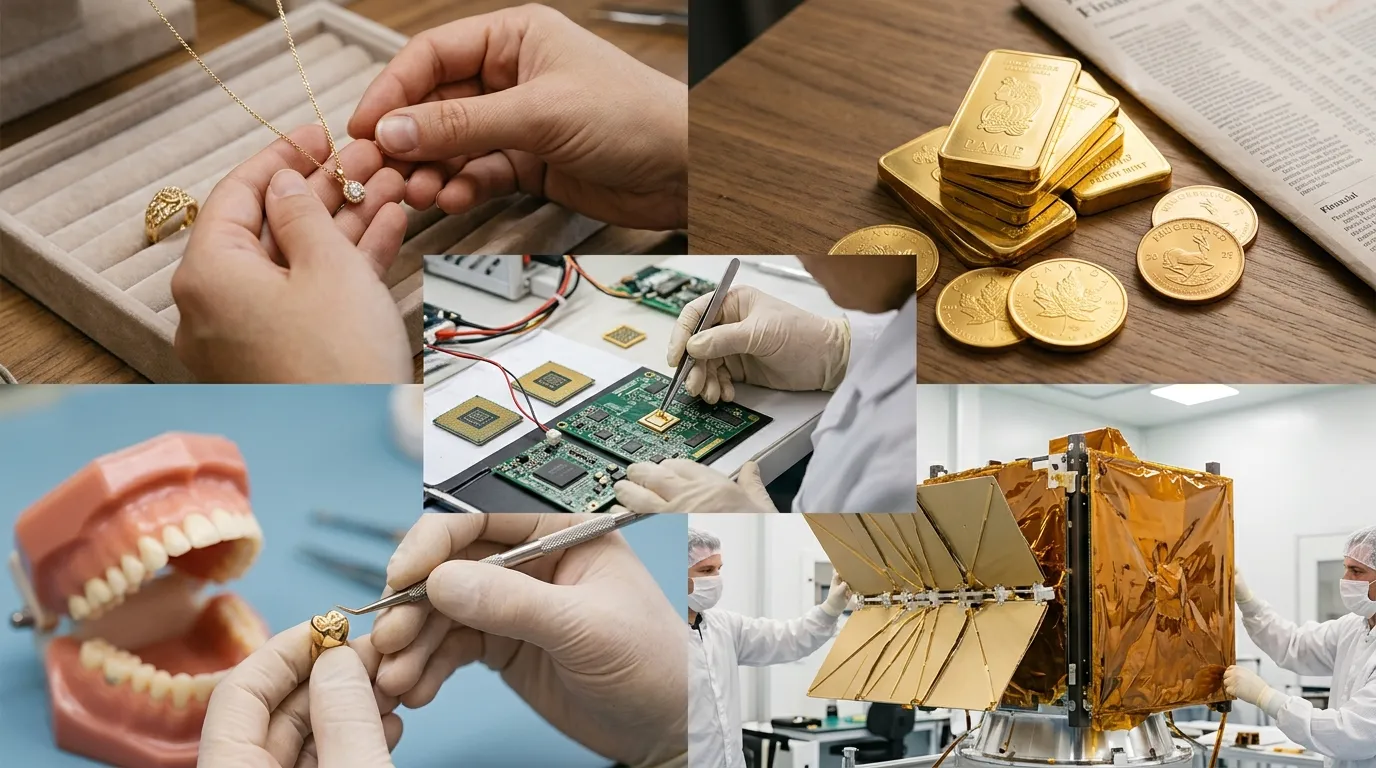
The healthcare industry has utilized this precious metal for centuries, and modern medicine continues to find groundbreaking ways to apply it. Because it is biocompatible and non-toxic, the human body does not reject it.
Dentistry and Oral Health
Dentists have used it to repair teeth for over 2,500 years. It offers incredible durability and can withstand the intense pressure of chewing and grinding over a lifetime. Today, dental professionals mix it with other metals to create strong, non-allergenic crowns, bridges, and fillings. While alternative ceramic materials exist, gold remains the ultimate standard for long-lasting dental restorations.
Modern Medicine and Diagnostics
In recent years, medical researchers have developed revolutionary treatments using nanoparticles. Doctors use these microscopic particles in targeted drug delivery systems, particularly for fighting certain types of cancer. By injecting these particles directly into tumor tissues, doctors can increase the effectiveness of radiation therapy.
Additionally, medical professionals use specific compounds containing this metal to treat severe cases of rheumatoid arthritis, helping to reduce joint inflammation and alleviate chronic pain.
Architecture and Building Materials
Architects and builders utilize this metal to create stunning, energy-efficient structures. In climate-controlled buildings, specially treated glass windows feature a transparent layer of this precious metal.
During the scorching summer months, this coating reflects the sun’s harsh solar radiation outward, keeping the interior of the building cool. During the freezing winter months, the same coating reflects internal heating back into the building, significantly reducing energy costs.
Beyond functionality, architects use gold leaf to decorate the domes and spires of important religious temples, government buildings, and historical monuments. This application provides a brilliant, corrosion-resistant finish that can withstand harsh weather conditions for decades without losing its spectacular shine.
Unconventional Uses: Food and Cosmetics
While it might sound like pure luxury, human beings actually consume this metal. High-end restaurants and luxury hotels frequently use edible gold leaf to decorate extravagant desserts, expensive steaks, and signature cocktails.
Registered as food additive E175, it is completely biologically inert. It passes through the human digestive system without being absorbed. While it has absolutely no taste or nutritional value, it provides an undeniable visual impact and serves as the ultimate status symbol.
In the beauty industry, luxury skincare brands incorporate nanoparticles into their anti-aging creams and facial masks. Cosmetic companies claim these formulations help reduce inflammation, lock in moisture, and improve skin elasticity, echoing the beauty routines of ancient Egyptian royalty like Cleopatra.
Structured Comparison: Industrial vs. Investment Uses
To better understand how different sectors value this material, let us look at a quick comparison between its two primary categories of use.
|
Feature |
Industrial & Technological |
Investment & Wealth |
|---|---|---|
|
Primary Goal |
Functionality and performance |
Financial security and growth |
|
Key Properties |
Conductivity, reflectivity, inertness |
Scarcity, durability, global recognition |
|
Form Used |
Nanoparticles, thin coatings, wires |
Cast bars, minted coins, rounds |
|
Market Driver |
Technological advancement |
Economic trends and inflation |
|
Lifespan |
Often trapped in discarded electronics |
Passed down through generations |
Common Mistakes to Avoid When Buying or Using Gold
Whether you are an investor building a precious metals portfolio or a jewelry enthusiast, people frequently make costly errors. Here are the most typical mistakes and exactly how to avoid them.
Mistake 1: Confusing karat weights
Many buyers assume 24-karat jewelry is the best option for everyday wear. Because 24k is pure, it is incredibly soft and scratches easily. If you want a daily-wear wedding band, opt for 14k or 18k alloys instead, as they offer much better durability.
Mistake 2: Throwing away old electronics
People routinely toss old smartphones and computers into the trash. You are literally throwing away precious metals. Always recycle your old devices through certified electronic waste programs to help recover and reuse these valuable materials.
Mistake 3: Paying massive premiums for investments
When buying physical bullion, novice investors often purchase highly collectible numismatic coins with massive markups. If your goal is purely wealth protection, stick to low-premium bullion bars and recognized government-minted coins to get the most metal for your money.
Pro Tips and Expert Insights
To maximize your understanding and utilization of this market, keep these expert strategies in mind:
Expert Insight: “Always store your investment bullion in a cool, dry place, preferably in a home safe or a secure depository. While the metal itself does not rust, the copper or silver mixed into lower-purity coins can develop spots if exposed to high humidity.”
Pro Tip: If you want to verify the authenticity of a piece of jewelry, look for the hallmark stamp. You will usually find a tiny engraving (like “14K” or “585”) on the inside of a ring or the clasp of a necklace. Combine this with a simple magnet test—genuine precious metals are not magnetic.
Expert Insight: According to data from the World Gold Council, technology demand continues to rise as the world shifts toward green energy and advanced computing. Keep an eye on the electronics sector, as it heavily influences global supply chains.
Conclusion
Understanding what is gold used for reveals why this metal holds such incredible value. From keeping spacecraft safe to protecting your wealth, its applications are truly endless. Are you ready to start building your own collection? Explore our premium selection of precious metals and secure your financial future today.
Frequently Asked Questions (FAQs)
1. Why is gold used in electronics instead of copper?
While copper is a fantastic electrical conductor and much cheaper, it corrodes and rusts over time. Gold is completely inert, meaning it never tarnishes or degrades. This makes it the most reliable material for microscopic connections in devices where even the slightest corrosion would cause a complete failure.
2. Can human beings safely eat gold?
Yes, you can safely consume pure edible gold. It is biologically inert and non-toxic, meaning your body does not absorb it during digestion. It simply passes through your system. However, it must be pure (22 to 24 karats) and certified as a food-grade additive (E175) to ensure it contains no toxic impurities.
3. How much of this metal is actually inside a smartphone?
The average modern smartphone contains roughly 0.034 grams of this precious metal. While this sounds like a microscopic amount, when multiplied by the billions of smartphones manufactured globally every single year, it accounts for a massive amount of industrial consumption.
4. Why do astronauts have gold on their helmets?
Astronaut visors feature a microscopically thin coating of this metal to protect their eyes and faces. This layer acts as a highly efficient mirror that reflects dangerous infrared radiation and intense heat from the sun, while still being thin enough for the astronaut to see through clearly.
5. What is the difference between white, rose, and yellow gold?
Pure 24k gold is always naturally yellow. To create different colors and increase durability, jewelers mix the pure metal with different alloy metals. White gold contains white metals like nickel or palladium, while rose gold contains a higher percentage of copper to give it a pinkish-red hue.
6. Why is this metal considered a safe haven investment?
Unlike paper currencies that governments can print endlessly, physical precious metals have a limited global supply. Because it cannot be artificially created, it retains its purchasing power over time. Investors use it to protect their wealth during stock market crashes, political instability, and periods of high inflation.
7. Do modern Olympic medals contain real gold?
Yes, but they are not solid. Modern Olympic first-place medals are actually composed of over 90% silver. However, the International Olympic Committee requires that each first-place medal be plated with at least 6 grams of pure, genuine gold.
8. How is this metal used in modern medicine?
Beyond traditional dental crowns and fillings, modern medicine uses nanoparticles for advanced treatments. Doctors use it in rapid diagnostic testing, targeted cancer radiation therapies, and specialized drug delivery systems. Certain compounds are also actively used to treat severe joint inflammation caused by rheumatoid arthritis.
9. Is it better to buy physical bars or coins for investment?
It depends entirely on your financial goals. Heavy cast bars typically carry lower manufacturing premiums, making them ideal for bulk wealth storage. Government-minted coins carry slightly higher premiums but are recognized globally, making them much easier to sell quickly when you need liquid cash.
10. Why is this precious metal used on building windows?
Architects use incredibly thin layers of this metal inside the glass panels of large climate-controlled buildings. This invisible layer reflects the sun’s heat away from the building during the summer, and reflects internal heating back inside during the winter, drastically reducing the building’s energy consumption and carbon footprint.